
Porcelain Veneers in Davidson: The Subtle Art of a Camera-Ready Smile
Published on Oct 23, 2025 | 7 minute read
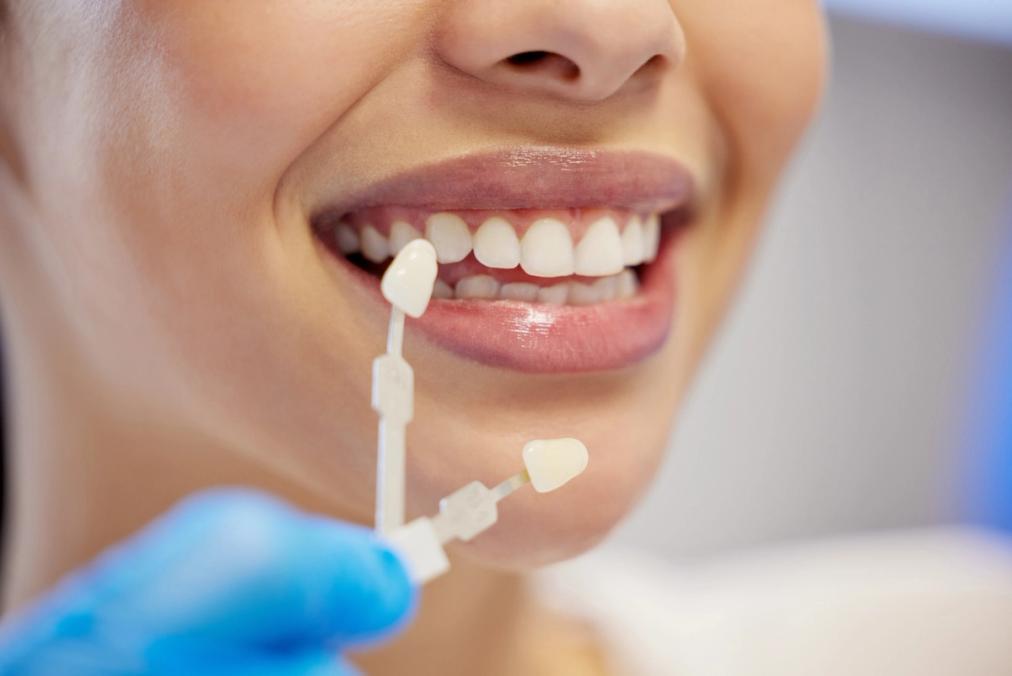
Have you ever noticed how some smiles seem to “catch the light,” the way a well-cut gem does? That effect isn’t luck—it’s design. Porcelain veneers are a quiet, precise craft that reshapes what you see in the mirror without calling attention to the work behind it. If you’ve been curious about how a few thin shells of porcelain can transform color, contour, and symmetry all at once, this guide breaks down the process in friendly, practical terms.
What Porcelain Veneers Are—and Why They Work
Porcelain veneers are custom, wafer-thin covers that bond to the front of your teeth. Each veneer is shaped to match your bite and smile line, then shaded to blend naturally. Because porcelain reflects light like enamel, porcelain veneers can improve color, close small gaps, refine length, and soften angles while still looking like real teeth. Unlike whitening or minor bonding alone, veneers can address several concerns in a single, carefully planned solution.
Who Makes a Good Candidate for Porcelain Veneers
Porcelain veneers are versatile, but they shine most when enamel is healthy and gums are stable. You may be a great candidate if you want to:
- Brighten teeth that do not respond well to whitening
- Balance uneven edges or length
- Close mild spaces or refine minor alignment
- Camouflage small chips, old fillings, or surface wear
If you grind your teeth, clench during sleep, or have active gum disease, those issues should be managed first. A protective night guard and routine cleanings help veneers last.
Step-by-Step: The Veneer Process at a Glance
- Smile planning and preview. After photos, scans, and measurements, a mock-up or digital preview shows you proposed shape and shade.
- Tooth preparation. Most cases need only a fraction of a millimeter of enamel shaping—about the thickness of a fingernail clipping—to make room for porcelain veneers.
- Detailed impressions. Precise scans guide the lab in crafting each veneer so edges are smooth and the bite feels natural.
- Try-in and bonding. The veneers are checked for fit and color under different lighting. After approval, a series of adhesive steps permanently bonds them in place.
- Refinement and maintenance. Minor adjustments fine-tune your bite. Good home care and professional cleanings keep them looking flawless.
How Long Porcelain Veneers Last
With regular care, porcelain veneers commonly last 10–15 years or more. Their lifespan depends on daily habits, bite forces, and maintenance. Brushing twice daily with a soft brush, flossing once a day, wearing a night guard if recommended, and visiting for cleanings are simple steps that make a big difference.
Benefits Backed by Professional Best Practices
Dentists rely on established clinical guidelines when planning porcelain veneers. Evidence-based protocols emphasize conservative enamel shaping, moisture-controlled bonding, and careful bite design—all factors shown to support long-term veneer success. Professional guidance also encourages routine exams and cleanings to protect your investment and your oral health at the same time. In practical terms, that means porcelain veneers can improve color and shape while preserving as much healthy tooth as possible, and ongoing care helps them stay secure and natural-looking.
Porcelain Veneers vs. Other Cosmetic Options
- Whitening: Great for brightening healthy enamel, but whitening cannot change tooth shape, close gaps, or mask deeper discoloration as predictably as porcelain veneers.
- Bonding: Tooth-colored bonding is efficient for small chips and edges. Porcelain veneers are stronger, more stain-resistant, and maintain gloss longer for broader smile changes.
- Orthodontics: Clear aligners move teeth for alignment and bite. If your main goals are color, contour, and proportion, porcelain veneers can reach them faster; sometimes a short aligner phase followed by veneers gives the best of both worlds.
Common Questions About Porcelain Veneers
Will they look bulky? Proper planning and skilled lab work keep veneer edges thin and seamless. The goal is refined, not “perfectly identical.”
Do they stain? Porcelain resists stains better than bonding and natural enamel. Coffee and tea are fine—just keep up with routine hygiene.
Is the procedure painful? Most patients say it feels like extended “filling” visits with focused attention to detail. Local anesthesia keeps you comfortable during any shaping steps.
Caring for Porcelain Veneers Day to Day
Use a soft brush and non-abrasive toothpaste, floss gently every day, and skip chewing on ice or hard candy. If you play sports, wear a mouthguard. If you clench or grind, a night guard protects both porcelain veneers and natural teeth.
What to Expect from Your Smile Design
Porcelain veneers are a collaboration. You bring your goals; your dental team brings design, materials, and technique. Expect conversations about shade (how bright, how warm or cool), length (to harmonize with your lip line), and shape (softened vs. more angular). That shared planning is what makes porcelain veneers look “born-with-them” instead of “brand-new.”
When Porcelain Veneers Aren’t the Best First Step
If enamel is severely worn, a tooth is cracked, or a large portion is missing, a full-coverage crown may offer better protection than a veneer. If gums are inflamed or recession is active, treating the foundation first is wise. These decisions are part of a thoughtful exam that weighs appearance and function together.
Bringing It All Together
Porcelain veneers are not about chasing perfection; they are about curating balance—color that suits your complexion, edges that match your smile line, and proportions that fit your face. With careful planning and simple upkeep, porcelain veneers deliver natural beauty that lasts.
Ready to explore porcelain veneers with a team that treats design like a craft? Contact Rise Modern Dentistry at 980-483-0707 or visit us at 215 Griffith St, Davidson, NC 28036 to schedule a consultation and map out a smile that feels authentically you.
